Step 1: Choose what you’ll sell
“Vending” covers very different businesses. Pick one to start with: each needs its own machines, suppliers and kind of location, and doing one well teaches you more than doing three at once.
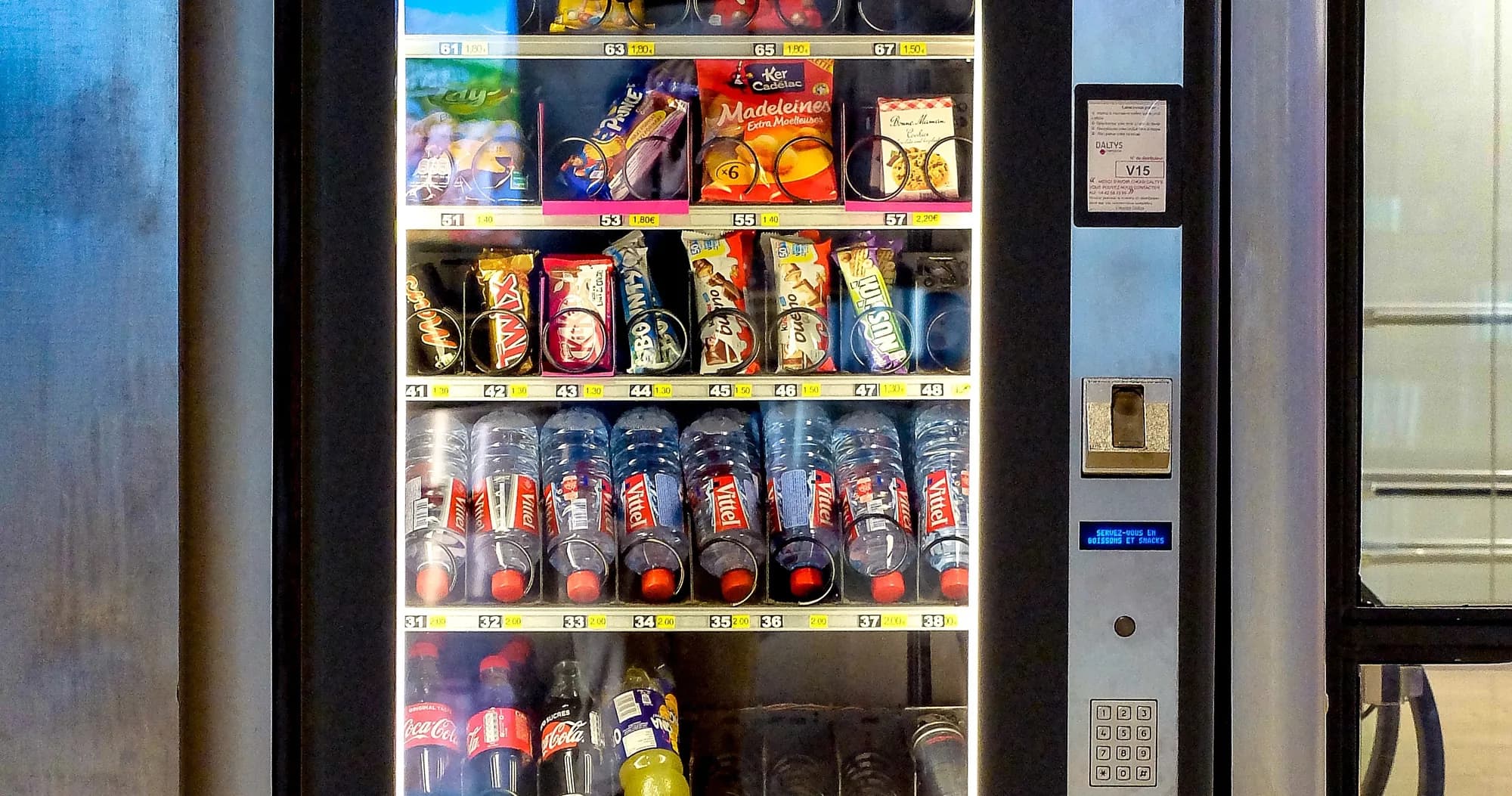
- Snacks and cold drinks. The classic. Easy to stock, sells almost anywhere people work or wait, and the machines are easy to find used.
- Coffee and hot drinks. Higher price per cup and loyal regulars, but the machines cost more and need cleaning and water. Suits offices, waiting rooms and coworking spaces.
- Healthier options. Water, protein bars, fresh food. Gyms, clinics and offices with a wellness budget ask for them. Fresh food needs refrigeration and more frequent visits.
- Bulk candy and gumball machines. Cheap to buy and to fill, but each sale is small, so you need many machines in busy spots.
- Specialty machines. Ice, cotton candy, toys, phone chargers, PPE. Less competition and often a revenue share with family venues, malls or sites with a specific need.
- Micro markets. Open shelves and a self-checkout kiosk in a larger workplace. More to set up, more sales per site; usually a second step, not a first.
Write one sentence: what you sell and to whom. “Snacks and cold drinks for warehouses and dealerships on the west side” is a plan. “Vending machines” is not.
Step 2: Work out the numbers, per machine
Before you buy anything, price what one machine costs to own and what it needs to sell to be worth it. List the one-off costs:
- The machine, delivered, and anything it needs to fit (a cart, a dolly, a key)
- A card reader: most buyers no longer carry coins
- The first full load of stock
- Registering the business and any permits (step 3)
Then the running costs, every month:
- Stock, usually the largest cost: what you pay for each item against what you charge
- The location’s commission, if you offer one
- The card reader’s monthly fee and the fee on each card sale
- Fuel and your time on the route
- Insurance, repairs and the occasional damaged or expired stock
The lesson in the example is the one experienced operators repeat: the location matters more than the machine. A good machine in a weak spot never pays off; a used machine in a great one does quickly.
Step 3: Set up the business
The details depend on where you live. In the United States, the usual order, which the Small Business Administration’s guide follows, is:
- Choose a structure. A sole proprietorship is the simplest; an LLC keeps your personal assets separate from the business. The choice affects your taxes, paperwork and personal liability, so read the SBA’s comparison or ask an accountant.
- Pick a name and register it with your state.
- Get your tax numbers. An employer identification number (EIN) comes from the IRS, online and free: never pay a website to get one for you.
- Get a sales tax permit if what you sell is taxable in your state, and find out how sales from machines are reported.
- Check local rules. Some cities and counties require a vending license, a food permit or a sticker on each machine.
- Insure the business. Locations often ask for proof of general liability insurance before a machine goes in.
- Open a business bank account, so every sale and every cost is easy to see at tax time.
Elsewhere, the steps are similar but the offices differ: start with your city’s or country’s business registration service.
Step 4: Buy your machines
New or used
New machines come with a warranty, current payment systems and modern looks, which some locations, like hotels and office lobbies, care about. Used and refurbished machines cost much less and are how most operators start. Buy used from a dealer who refurbishes and tests machines if you can, and check the machine runs, cools and vends every row before you pay.
What to check
- Payments. A card and phone reader that works with the machine, or room to fit one.
- Size and power. The machine’s footprint, height and plug, against the doors and outlets at the places you have in mind.
- Remote monitoring. Many readers report sales and stock levels online, so you know which machine needs a visit before you drive there.
- Parts and service. A common brand is easier and cheaper to repair.
Start with one or two machines. You learn what sells, how often to restock and how long a visit takes, and you can choose the next machine for a location you already have instead of hoping to find one for it.
Step 5: Find your first locations
This is the step that decides whether the business works, and the one most new operators find hardest. The best locations have people who stay for hours, nothing better nearby, and someone who can say yes: offices and coworking spaces, warehouses with shift work, gyms, dealership service lounges, hotels, clinics and apartment buildings.
Almost all of them are on Google Maps, organised by kind of place, with a link to their website. The work is going through them: checking which ones suit a machine, finding who to write to, and writing to each one.
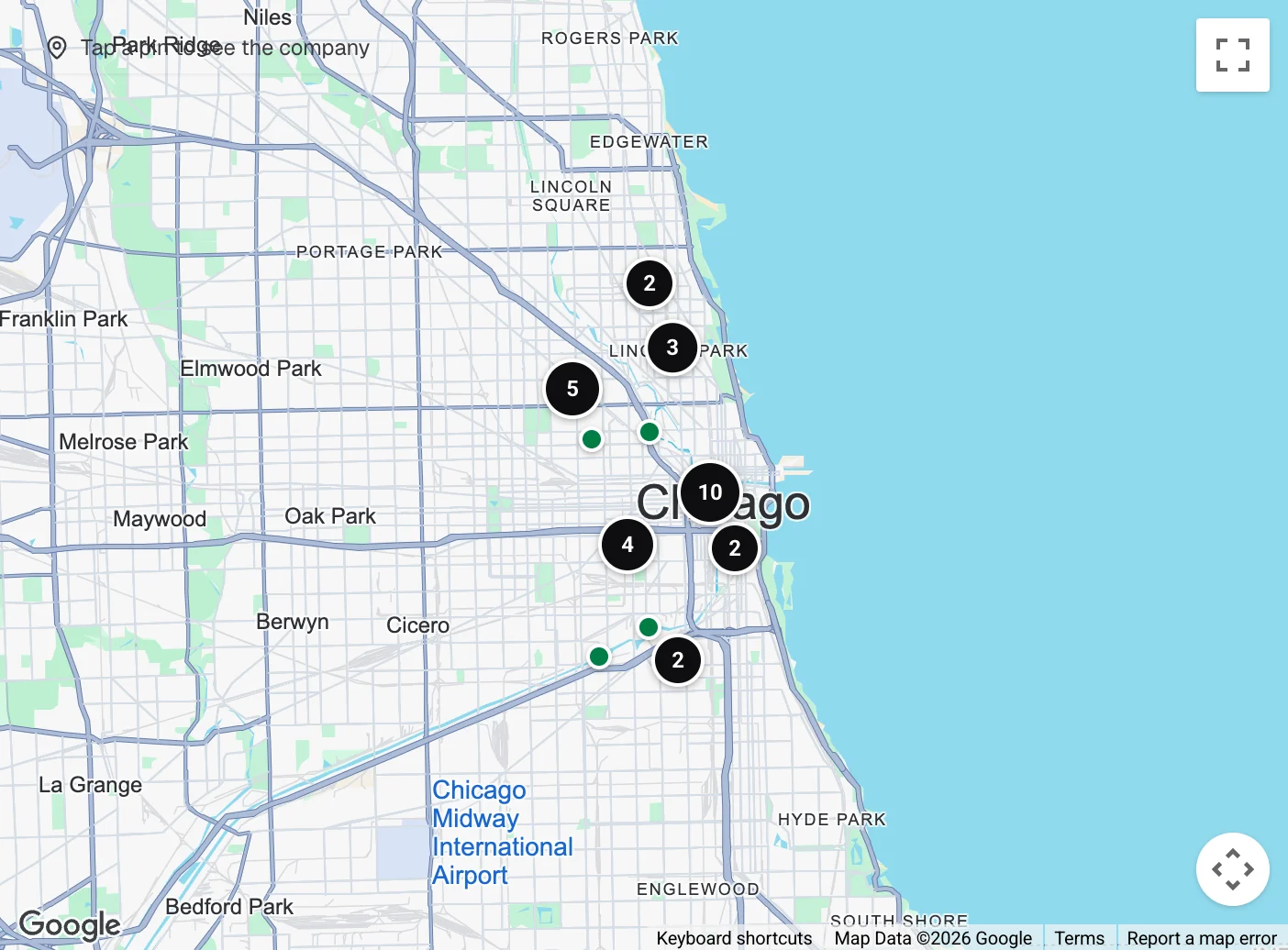
Foxfind does that work for you. You describe what you place and where, draw your route on a map, and it finds businesses on Google Maps through Google’s official API, reads each one’s website to check it against your description of a good location, and finds an email address on the business’s own site.
Step 6: Pitch and sign the location
Write to the person who decides, not the front desk: the office or facilities manager, the general manager, the property manager or the owner. Keep the first email short: one true line about their place, what they get, and one small thing to ask for, like a short visit to look at a spot. Follow up twice in the same thread. Our location guide has a pitch that gets replies, with an example, and the mailbox settings that keep it out of spam.
What to offer
Many operators share a percentage of sales with the location; others offer the machine as a free perk for staff or customers. A commission makes the yes easier but comes out of every sale, so put it in your sums from step 2 first.
Put it in writing
A one-page agreement is enough: where the machine goes, who pays for power, what the location receives and when, how often you restock, who to call about a problem, and how much notice either side gives to remove it. Some locations agree more readily to a trial of a few months.
Step 7: Source your products
Wholesale clubs and cash-and-carry stores are the easy start: no minimum order, and you can buy as you go. As the route grows, a food or vending distributor offers better prices and delivery, and some brands sell directly to operators.
- Stock what the place wants. A gym and a warehouse buy different things. Ask the location what people ask for.
- Track sales by row. Replace the slowest sellers every month or two; that alone lifts a machine’s sales.
- Watch dates. Put new stock behind old, and take out anything close to its date.
- Know the labeling rule. In the United States, operators who own or operate 20 or more machines must show calories for food whose nutrition label buyers can’t see before they buy. The FDA’s guidance explains how.
Step 8: Install, stock and service
Agree the delivery time with the location, bring help or a hand truck, and check the machine runs, cools and takes payment before you leave. Put a sticker on it with a phone number or email for problems and refunds: a machine that takes money and gives nothing back loses you the location faster than anything else.
Set a restocking schedule for each machine from its sales, not the calendar. Plan the route so machines near each other are visited together. Keep a simple record per machine: sales, stock cost, commission paid and visits. It tells you which locations to keep and which to move.
Step 9: Grow the route
- Reinvest in what works. Buy the next machine when the first ones pay for themselves, and choose it for a location you already know.
- Move the weak machines. A machine that hasn’t earned its keep in three months rarely starts to. Moving it costs one afternoon.
- Ask for introductions. A property manager may look after other buildings, and a happy gym owner knows other gym owners.
- Keep finding locations. The best operators always have a few locations waiting for a machine. Draw a new area on the map when your route grows, and an agent on Autopilot emails the places it finds, and follows up, while you restock. Foxfind tells you as soon as one replies.
Watch out for “turnkey” vending offers
Some sellers offer machines bundled with “guaranteed” locations and promised income. The Federal Trade Commission warns that false promises about locations are a hallmark of fraudulent vending opportunities. Its Business Opportunity Rule requires such sellers to give you a one-page disclosure document at least seven days before you sign or pay, including a list of earlier buyers. Call those buyers, visit the locations yourself, and be wary of any earnings figure you can’t check.
Questions
How much does it cost to start a vending machine business?
It depends mostly on the machines. A used snack or drink machine costs far less than a new one, and many operators start with one or two used or refurbished machines. Add a card reader (a one-off cost plus a monthly fee and a fee on each sale), the first load of stock, a way to move the machine, insurance, and the fees to register the business where you live. Price each line for your own area before you buy anything.
Is a vending machine business profitable?
It can be, and the location decides most of it. The same machine can sell several times more in a warehouse with shift workers than in a quiet shop. Track sales per machine from the first week, and move machines that don’t earn their keep.
Do I need a license to run vending machines?
Usually yes, but which ones depends on where you operate. In the United States, expect to register the business with your state, get a sales tax permit if what you sell is taxable, and check city or county rules, which can include a vending or food permit. The SBA’s guide to licenses and permits explains how to find out what applies to you.
How many machines should I start with?
One or two. You learn more from one good location than from five bought on hope: what sells, how often to restock and how long the route takes. Add machines when the first ones pay for themselves.
Can I run a vending business part-time?
Yes, many operators start that way. Restocking can be done before or after work, and a small route needs a few hours a week. The time that is hardest to find is the time spent finding and pitching locations, which is the part worth automating.
How do I find my first vending location?
Start with places where people stay for hours and can’t easily buy what you sell: offices, warehouses, gyms, dealerships, hotels. Our guide to finding vending machine locations covers what makes a good one, how to find them on Google Maps and how to pitch them.
Find your first locations on the map
The free trial includes 50 credits and 250 emails. Enter your website to start.
Sources
- U.S. Small Business Administration: Choose a business structure
- U.S. Small Business Administration: Apply for licenses and permits
- Internal Revenue Service: Get an employer identification number
- U.S. Food and Drug Administration: Menu and vending machine labeling
- Federal Trade Commission: Bogus business opportunities